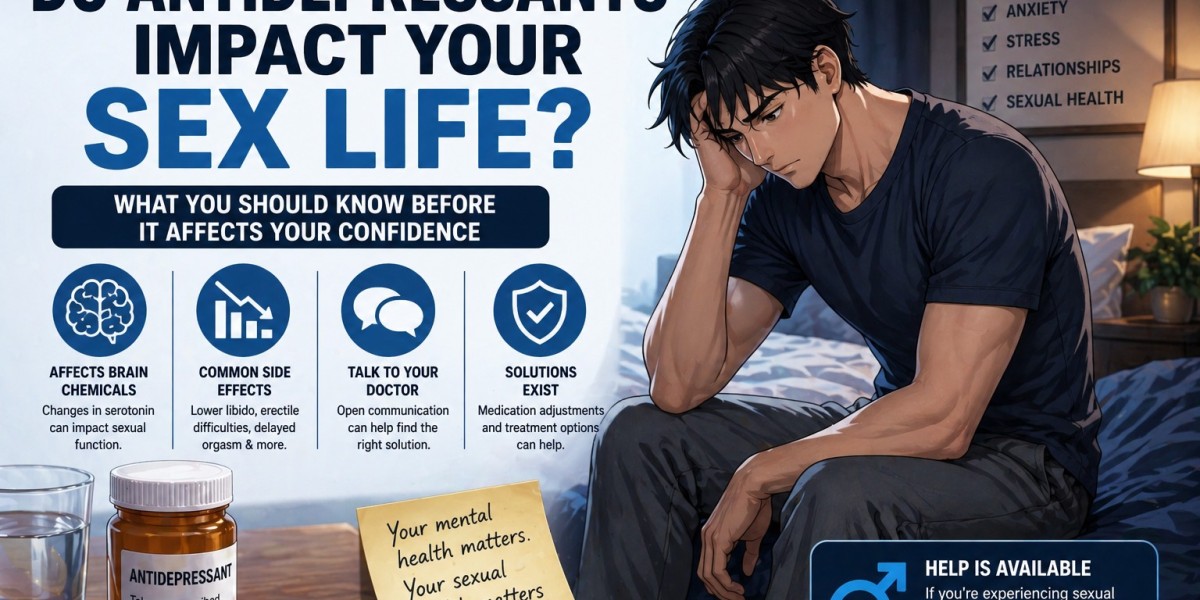

Antidepressants are widely used to manage depression, anxiety, and related mental health conditions. They help stabilize mood, reduce emotional distress, and improve overall quality of life. But for some people, these benefits come with an unexpected shift ... changes in sexual response.
This doesn’t happen to everyone, but when it does, it can feel confusing and discouraging. The good news is that these effects are understood, common, and often manageable.
How Brain Chemistry Influences Sexual Function
Antidepressants work by adjusting levels of neurotransmitters in the brain, mainly serotonin, dopamine, and norepinephrine. These chemicals affect how you feel emotionally, but they also influence how your body responds physically during intimacy.
When serotonin levels increase:
- Mood improves
- Anxiety decreases
- But sexual signals may slow down
At the same time, lower dopamine activity can reduce motivation and pleasure, which are essential parts of sexual desire and satisfaction.
Sexual Changes People Commonly Notice
The effects can vary from person to person, but several patterns are frequently reported.
Drop in Sexual Interest
A reduced desire for intimacy is one of the most noticeable changes. You may feel less mentally or physically engaged in sexual activity.
Erection Challenges
Some men experience difficulty maintaining a firm erection, especially during moments that previously felt effortless.
Delayed Climax
Even with stimulation, it may take longer to reach orgasm, or the experience may feel less intense.
Reduced Sensation
A decrease in physical sensitivity can make sexual activity feel less satisfying overall.
Why These Effects Occur
The primary reason lies in how serotonin interacts with the body’s sexual pathways.
Higher serotonin levels can:
- Inhibit sexual desire
- Interfere with arousal signals
- Delay ejaculation
Meanwhile, reduced dopamine can lower enthusiasm and reward response, making intimacy feel less appealing.
Do All Medications Affect Sexual Health the Same Way
No, different antidepressants have different effects.
- Some medications are more likely to impact sexual function
- Others are designed to have a lower risk of these side effects
Individual biology also plays a role, meaning the same medication can affect people differently.
Are These Effects Permanent
In many cases, they are not.
Some people notice:
- Side effects appear early in treatment
- The body gradually adapts
- Symptoms improve over time
However, if the effects continue, they should be addressed rather than ignored.
The Confidence Factor That Often Gets Overlooked
Sexual health is not just physical; it’s also emotional.
When changes occur, they can lead to:
- Loss of confidence
- Increased self-awareness during intimacy
- Avoidance of sexual situations
Over time, this can create a pattern where mental stress further impacts physical performance.
What You Can Do to Improve the Situation
Managing these changes is possible with the right approach.
Start with Honest Communication
Speaking with a healthcare provider is essential. They can evaluate whether the medication, dosage, or timing needs adjustment.
Consider Medication Alternatives
Some antidepressants are less likely to interfere with sexual function. A switch may provide relief without affecting mental health progress.
Support Your Body Naturally
Healthy habits such as regular exercise, proper sleep, and balanced nutrition can support both mood and sexual performance.
Review Timing and Routine
In certain cases, adjusting when medication is taken can help reduce its impact during key times.
Options for Managing Erection Difficulties
If erection issues continue, additional support may be considered.
Under medical supervision, medications like Cenforce 100mg can help improve blood flow and support erectile function. Some individuals prefer to order Cenforce 100mg online from a reliable and trusted pharmacy like Healthmedsrx, but it’s important to do so responsibly, ensuring proper consultation and prescription.
These options are meant to support function while addressing the broader picture, not replace the need for proper medical guidance.
When to Seek Professional Advice
It’s important to speak with a healthcare provider if:
- Sexual side effects persist beyond a few weeks
- They begin to affect your relationship or confidence
- You feel unsure about continuing your medication
Early action makes it easier to find a solution.
Balancing Treatment and Quality of Life
Antidepressants are essential for managing mental health, and stopping them without guidance is not recommended. The goal is not to choose between emotional stability and sexual well-being but to maintain both.
With the right adjustments and support, this balance is achievable.
Moving Forward with Awareness and Control
Changes in sexual response due to antidepressants can feel frustrating, but they are not uncommon and rarely permanent.
Understanding what’s happening in your body allows you to take control of the situation. With the right support, you can maintain your mental health while also protecting your confidence and quality of life.